Building a Profitable Forex Trading System

In the world of finance, forex trading system Trading Broker Global has established itself as a key player in the Forex market. With its vast array of tools and resources, Forex trading has become increasingly accessible. This article aims to outline the essential components of a successful Forex trading system, which can help traders navigate the complexities of the market and achieve their financial goals.
Understanding Forex Trading Systems
A Forex trading system is a structured method that traders use to determine their trading tactics, including when to enter and exit trades. The essence of a trading system lies in its logic—every decision made by the trader is rooted in data and analysis. This structured approach minimizes emotional trading, which is often detrimental to success in Forex trading.
Components of a Forex Trading System
1. Strategy
At the heart of any Forex trading system is a well-defined trading strategy. This strategy can be based on technical analysis, fundamental analysis, or a combination of both. Technical analysis involves studying charts and indicators to predict future price movements. Fundamental analysis assesses economic indicators, geopolitical events, and other external factors that could influence currency values.
2. Risk Management
Another critical element of a Forex trading system is effective risk management. Traders should determine how much capital they are willing to risk on each trade and establish stop-loss orders to limit potential losses. A common recommendation is to risk no more than 1-2% of one’s trading capital on any given trade. Proper risk management protects traders from significant losses and supports long-term success.
3. Tools and Indicators
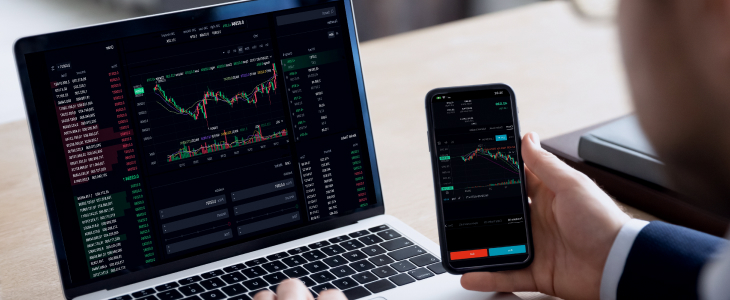
To implement a Forex trading system effectively, traders often leverage various tools and indicators. Commonly used indicators include moving averages, Relative Strength Index (RSI), Bollinger Bands, and Fibonacci retracements. These tools help assess market conditions and enhance decision-making processes. Choosing the right indicators based on the trader’s strategy and timeframe is crucial for optimizing outcomes.
4. Trading Plan
A comprehensive trading plan outlines the specific rules and criteria for entering and exiting trades. It serves as a roadmap for traders, detailing the strategy, risk management guidelines, and performance evaluation mechanisms. By adhering to a trading plan, traders can maintain discipline and avoid impulsive decisions driven by market emotions.
The Importance of Backtesting
Backtesting is a crucial process in developing a Forex trading system. It involves testing a trading strategy on historical data to assess its effectiveness. By simulating past market conditions, traders can identify potential weaknesses in their system and make necessary adjustments before applying it to live trading. Effective backtesting can also enhance confidence in the trading system, as traders can see how the strategy would have performed in different scenarios.
Psychology of Trading
While a robust trading system is essential, the psychology of trading plays a significant role in a trader’s success. Emotions such as fear and greed can lead to poor decision-making, often resulting in losses. Developing a disciplined mindset and adhering to a trading plan can help mitigate the impact of emotions on trading performance. Traders should also consider techniques such as visualization and mindfulness to improve their mental resilience.
Continuous Education and Adaptation
The Forex market is dynamic and constantly evolving. Successful traders commit to continuous education to stay updated on market trends, economic developments, and new trading strategies. Adapting to changing market conditions is vital for maintaining the relevancy of a trading system. Traders should be open to refining their methods and incorporating new insights gained through ongoing learning.
Conclusion
In conclusion, building a profitable Forex trading system encompasses various elements, including a defined strategy, effective risk management, the use of appropriate tools, and strict adherence to a trading plan. Additionally, the psychological aspect of trading cannot be overlooked, as it significantly impacts outcomes. By committing to continuous education and regular adaptations of their methods, traders can enhance their chances of success in the competitive Forex market. Remember, the key is to remain disciplined and patient, as trading is not merely a sprint but a marathon of accumulation and growth.