Within the bustling halls of an NHS hospital in Birmingham, a young man named James Stokes carries himself with the measured poise of someone who has found his place. His polished footwear barely make a sound as he exchanges pleasantries with colleagues—some by name, others with the universal currency of a “hello there.”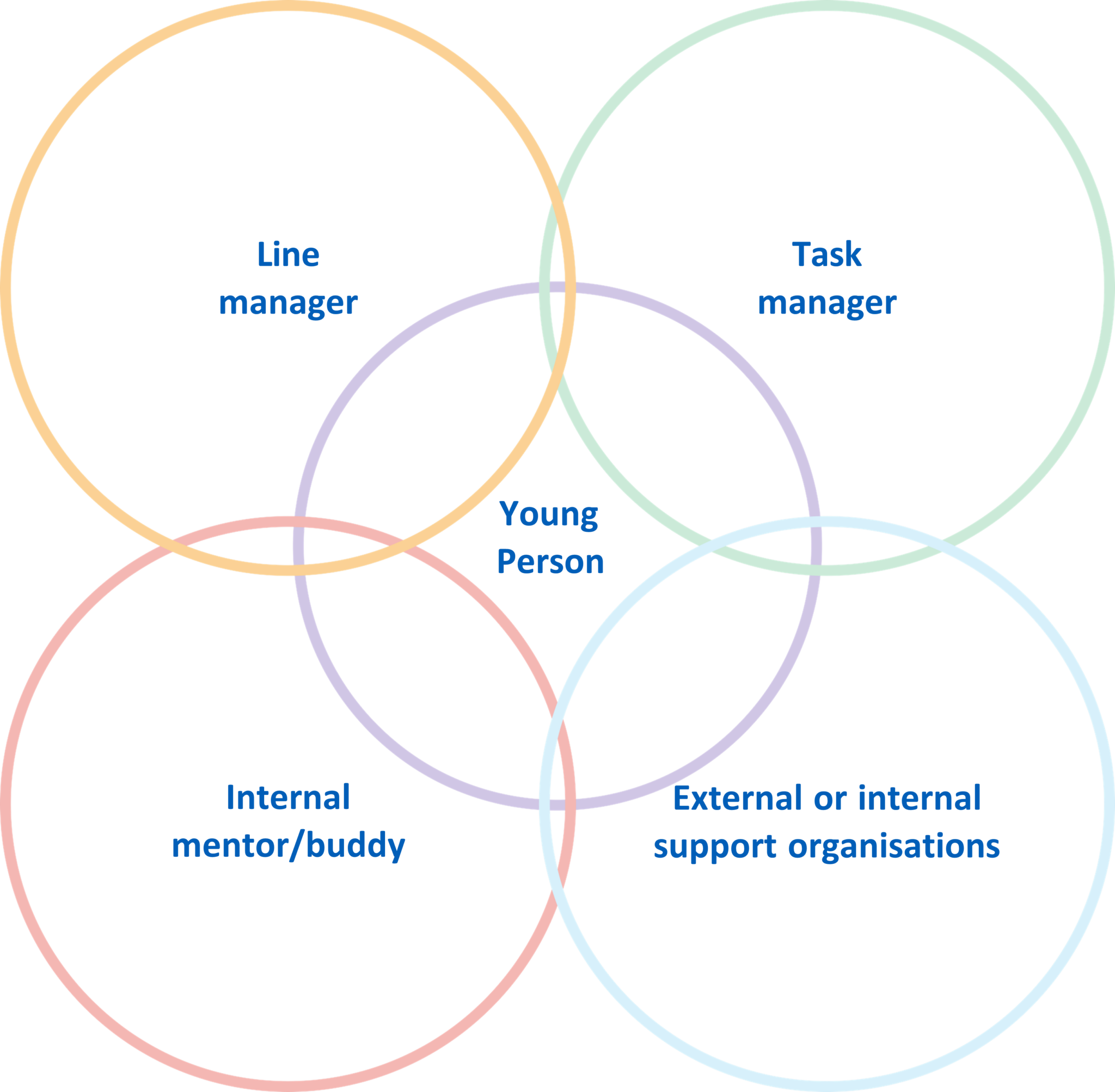
James displays his credentials not merely as institutional identification but as a symbol of belonging. It hangs against a neatly presented outfit that offers no clue of the tumultuous journey that led him to this place.
What sets apart James from many of his colleagues is not immediately apparent. His demeanor gives away nothing of the fact that he was among the first participants of the NHS Universal Family Programme—an undertaking designed specifically for young people who have been through the care system.
“The Programme embraced me when I needed it most,” James says, his voice controlled but revealing subtle passion. His observation encapsulates the essence of a programme that seeks to reinvent how the enormous healthcare system views care leavers—those frequently marginalized young people aged 16-25 who have emerged from the care system.
The statistics reveal a challenging reality. Care leavers commonly experience greater psychological challenges, financial instability, shelter insecurities, and lower academic success compared to their peers. Underlying these impersonal figures are human stories of young people who have traversed a system that, despite good efforts, often falls short in providing the stable base that shapes most young lives.
The NHS Universal Family Programme, established in January 2023 following NHS England’s commitment to the Care Leaver Covenant, represents a substantial transformation in systemic approach. At its heart, it accepts that the whole state and civil society should function as a “communal support system” for those who haven’t experienced the constancy of a traditional family setting.
A select group of healthcare regions across England have charted the course, developing frameworks that rethink how the NHS—one of Europe’s largest employers—can extend opportunities to care leavers.
The Programme is detailed in its strategy, initiating with detailed evaluations of existing policies, forming oversight mechanisms, and obtaining senior buy-in. It understands that meaningful participation requires more than good intentions—it demands concrete steps.
In NHS Birmingham and Solihull ICB, where James began his journey, they’ve developed a regular internal communication network with representatives who can deliver help and direction on personal welfare, HR matters, recruitment, and inclusivity efforts.
The traditional NHS recruitment process—formal and possibly overwhelming—has been carefully modified. Job advertisements now highlight attitudinal traits rather than long lists of credentials. Applications have been reimagined to address the unique challenges care leavers might encounter—from missing employment history to having limited internet access.
Maybe most importantly, the Programme understands that entering the workforce can present unique challenges for care leavers who may be navigating autonomy without the backup of parental assistance. Issues like commuting fees, proper ID, and banking arrangements—taken for granted by many—can become significant barriers.
The beauty of the Programme lies in its meticulous consideration—from explaining payslip deductions to providing transportation assistance until that critical first wage disbursement. Even apparently small matters like rest periods and workplace conduct are thoughtfully covered.
For James, whose NHS journey has “revolutionized” his life, the Programme offered more than employment. It provided him a feeling of connection—that intangible quality that emerges when someone senses worth not despite their background but because their unique life experiences improves the institution.
“Working for the NHS isn’t just about doctors and nurses,” James comments, his gaze showing the subtle satisfaction of someone who has secured his position. “It’s about a community of different jobs and roles, a family of people who truly matter.”
The NHS Universal Family Programme represents more than an work program. It functions as a bold declaration that systems can change to include those who have experienced life differently. In doing so, they not only transform individual lives but enhance their operations through the special insights that care leavers contribute.
As James navigates his workplace, his presence subtly proves that with the right help, care leavers can thrive in environments once deemed unattainable. The embrace that the NHS has provided through this Programme symbolizes not charity but appreciation of hidden abilities and the fundamental reality that everyone deserves a support system that believes in them.