NHS: The Family They Never Had
NHS: The Family They Never Had
10 9 月, 2025 在〈NHS: The Family They Never Had〉中留言功能已關閉Within the bustling halls of an NHS hospital in Birmingham, a young man named James Stokes carries himself with the measured poise of someone who has found his place. His smart shoes barely make a sound as he greets colleagues—some by name, others with the familiar currency of a “good morning.”
James carries his identification not merely as institutional identification but as a symbol of acceptance. It sits against a pressed shirt that betrays nothing of the challenging road that led him to this place.
What separates James from many of his colleagues is not immediately apparent. His presence reveals nothing of the fact that he was among the first recruits of the NHS Universal Family Programme—an effort crafted intentionally for young people who have spent time in care.
“I found genuine support within the NHS structure,” James explains, his voice steady but tinged with emotion. His observation captures the core of a programme that seeks to reinvent how the enormous healthcare system approaches care leavers—those often overlooked young people aged 16-25 who have transitioned from the care system.
The numbers paint a stark picture. Care leavers often face higher rates of mental health issues, money troubles, accommodation difficulties, and lower academic success compared to their age-mates. Underlying these clinical numbers are human stories of young people who have maneuvered through a system that, despite good efforts, frequently fails in offering the stable base that forms most young lives.
The NHS Universal Family Programme, established in January 2023 following NHS England’s commitment to the Care Leaver Covenant, signifies a substantial transformation in institutional thinking. At its heart, it recognizes that the whole state and civil society should function as a “communal support system” for those who haven’t experienced the constancy of a traditional family setting.
Ten pioneering healthcare collectives across England have blazed the trail, developing structures that reimagine how the NHS—one of Europe’s largest employers—can extend opportunities to care leavers.
The Programme is thorough in its strategy, starting from comprehensive audits of existing procedures, establishing management frameworks, and garnering leadership support. It acknowledges that effective inclusion requires more than good intentions—it demands concrete steps.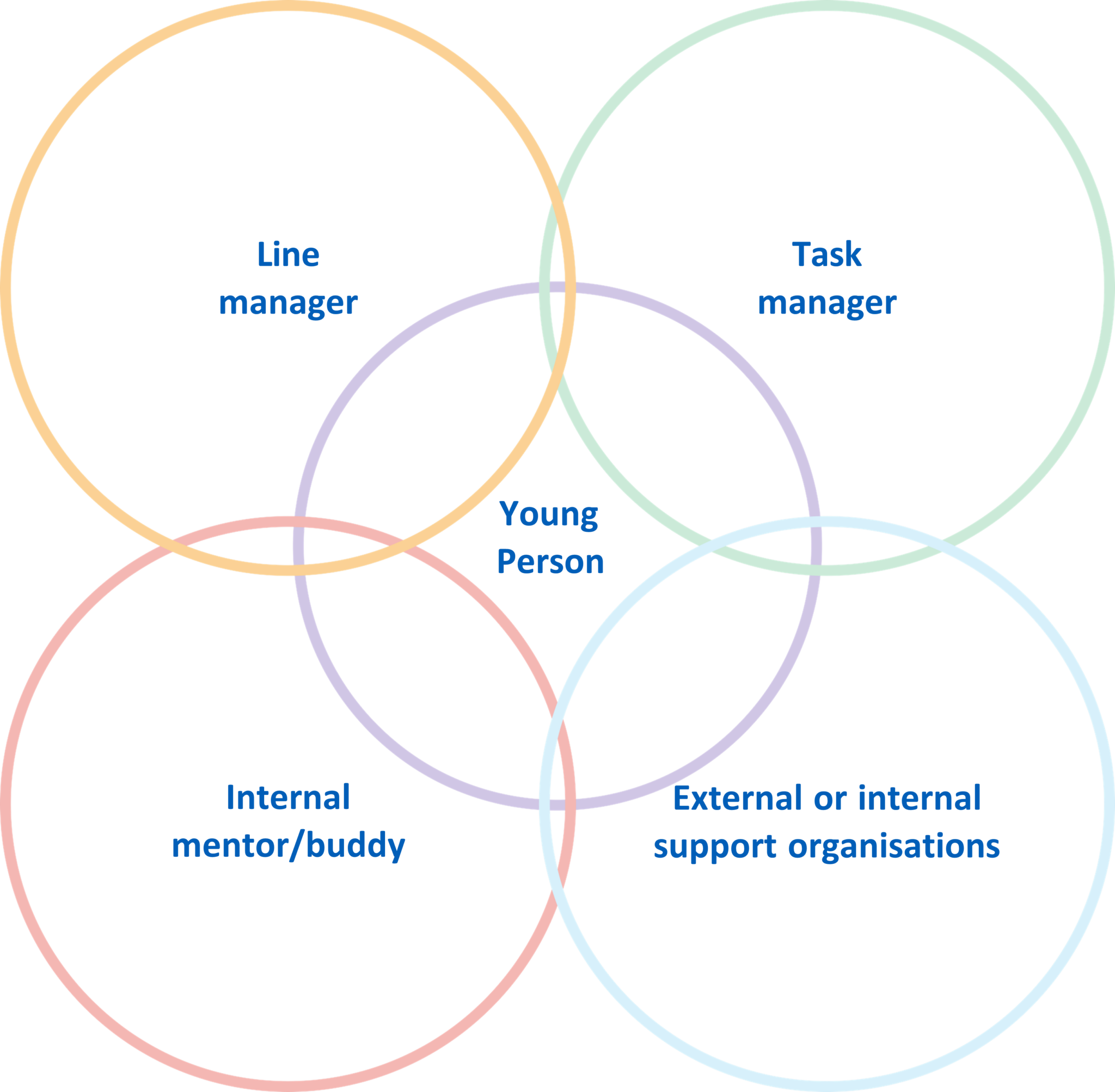
In NHS Birmingham and Solihull ICB, where James started his career, they’ve developed a reliable information exchange with representatives who can provide assistance and counsel on wellbeing, HR matters, recruitment, and equality, diversity, and inclusion.
The traditional NHS recruitment process—formal and often daunting—has been carefully modified. Job advertisements now highlight attitudinal traits rather than numerous requirements. Applications have been redesigned to accommodate the specific obstacles care leavers might face—from missing employment history to facing barriers to internet access.
Possibly most crucially, the Programme recognizes that entering the workforce can create specific difficulties for care leavers who may be handling self-sufficiency without the backup of parental assistance. Concerns like commuting fees, proper ID, and bank accounts—taken for granted by many—can become major obstacles.
The elegance of the Programme lies in its meticulous consideration—from clarifying salary details to offering travel loans until that crucial first wage disbursement. Even ostensibly trivial elements like rest periods and office etiquette are carefully explained.
For James, whose career trajectory has “changed” his life, the Programme delivered more than work. It gave him a perception of inclusion—that elusive quality that emerges when someone is appreciated not despite their past but because their particular journey improves the workplace.
“Working for the NHS isn’t just about doctors and nurses,” James notes, his eyes reflecting the quiet pride of someone who has discovered belonging. “It’s about a community of different jobs and roles, a team of people who genuinely care.”
The NHS Universal Family Programme embodies more than an employment initiative. It exists as a strong assertion that institutions can adapt to welcome those who have navigated different paths. In doing so, they not only alter individual futures but enhance their operations through the distinct viewpoints that care leavers contribute.
As James moves through the hospital, his participation silently testifies that with the right assistance, care leavers can flourish in environments once deemed unattainable. The arm that the NHS has extended through this Programme represents not charity but recognition of hidden abilities and the profound truth that all people merit a support system that champions their success.