Outsourcing Payroll: Maximize Efficiency And Minimize Expenses
Outsourcing Payroll: Maximize Efficiency And Minimize Expenses
31 5 月, 2025 在〈Outsourcing Payroll: Maximize Efficiency And Minimize Expenses〉中留言功能已關閉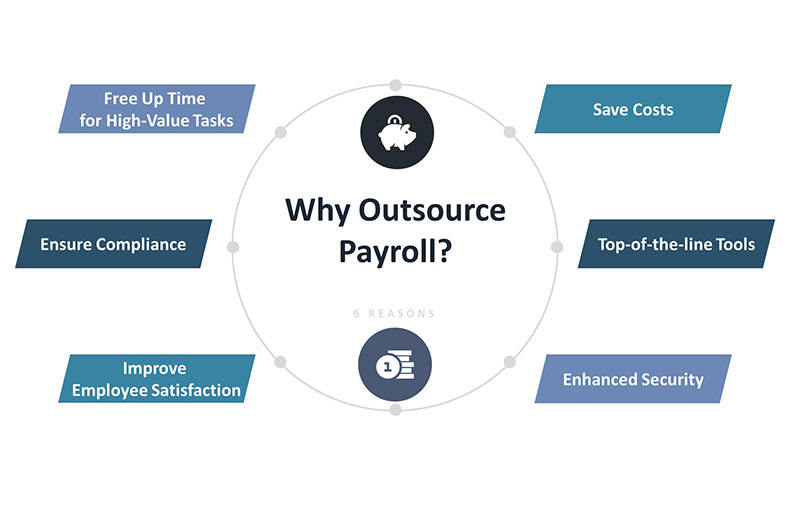 ✔ Outsourcing payroll may minimize administrative problems, conserve time, and make sure compliance with tax laws.
✔ Cost savings vary from 18%-35% on typical compared to internal payroll processing.
✔ Payroll suppliers handle wage calculations, tax filings, direct deposits, advantages deductions, and more.
✔ Businesses of all sizes benefit, particularly those without dedicated payroll personnel.
✔ Choosing the ideal payroll service depends on business size, complexity, and need for integration with existing systems.
Every other Friday, Lisa braced herself for what had essentially end up being a constant source of stress: payroll. As the workplace manager for a growing home services company, she used numerous hats: scheduling jobs, handling invoices, handling HR tasks, and more. Payroll was simply another duty on her overflowing plate, and regardless of her finest efforts, something constantly appeared to go wrong.
Last pay duration, she miscalculated overtime for two professionals, resulting in a payroll correction that took hours to repair. The month before, a tax filing deadline slipped through the cracks, resulting in an expensive late fee. And then there were the constant concerns from workers about their paychecks – was my bonus included? Why are my reductions various this week? Is there still time to correct my punch card? When will I receive my W-2?
Lisa’s stress level was through the roofing. Something had to change. Accordingly, Lisa began exploring her choices. What if the company had another person manage payroll? By handing off payroll to a professional company, or, at least, updating their software application, she might get rid of the risk of errors, make sure compliance with tax laws, and totally free up hours each week to focus on running business.
Does your payroll journey imitate Lisa’s? Is payroll an obstacle that looms at the end of every other week? Luckily, you’re not alone. In this post, we’ll check out how contracting out payroll works, the benefits it offers, and whether it’s the best relocation for your organization.
Outsourcing payroll is the practice of handing off payroll-related tasks to a third-party service provider who focuses on processing salaries, taxes, and other compensation-related responsibilities. Instead of handling payroll manually – or managing multiple software application solutions – businesses can depend on professionals to guarantee employees are paid correctly and on time while remaining certified with tax laws.
Payroll providers handle a variety of tasks, consisting of:
✅ Processing worker wages and specialist payments;
✅ Calculating and filing payroll taxes;
✅ Managing direct deposits and paper checks;
✅ Handling reductions, garnishments, and advantages contributions; and
✅ Staying up to date with ever-changing labor laws and tax rates.
Approximately 61% of companies outsource their payroll procedures. The decision to outsource the whole function or sector out portions, such as tax filings or direct deposit management, largely depends upon company size, payroll complexity, and internal resources.
For larger companies with workers across several states, payroll outsourcing can simplify compliance with various tax laws and policies. But little and mid-sized services also benefit – particularly those without a dedicated payroll professional. Given that payroll laws frequently alter, contracting out makes sure services remain certified without needing to continuously keep an eye on updates.
Years back, it was unusual for business to delegate payroll to an outside provider. But today, advances in payroll innovation make contracting out an affordable and effective service. Whether you require full-service payroll support or just assist with specific tasks, outsourcing can free up valuable time, lower administrative headaches, and give service owners peace of mind. Statistics back this up. According to a PwC study, companies that outsource their payroll functions experience cost decreases of 18%-35%, on average.
Is contracting out payroll the right option for your company? In the next section, we’ll check out the key advantages and prospective disadvantages to assist you choose. If not, a finest practice may consist of upgrading your internal software. While we’re prejudiced, an option like OnTheClock allows you to encapsulate time tracking, scheduling, and payroll in one platform. No more third-party costs, hold-ups, or errors!
Don’t let taxes get you down. Make payroll easy with OnTheClock!
Your trouble-free option for payroll.
The Benefits of Outsourcing Payroll
Having your personnel total payroll might look like a cost-savings step; however, the truth is that it’s frequently lengthy, complicated, and prone to costly errors. Outsourcing payroll uses organizations a streamlined, safe, and affordable option. Here’s how it can benefit your company:
Save Time and Boost Productivity: Payroll isn’t practically moving income – it involves hours, determining taxes, handling advantages reductions, and ensuring compliance with ever-changing policies. For small companies, this duty often falls on a bachelor or a little HR team, pulling focus away from tactical initiatives. Outsourcing payroll gets rid of these lengthy jobs, maximizing your team to focus on development and employee engagement.
Reduce Payroll Costs: Many little and mid-sized businesses find that outsourcing payroll is more cost-efficient than preserving an internal payroll team. The expenditures related to payroll software application, employee training, tax filing, and compliance management can build up quickly. By outsourcing, business can access professional payroll services at a foreseeable month-to-month cost – often less than the cost of working with a full-time payroll expert.
Minimize Errors and Ensure Compliance: Payroll errors aren’t simply frustrating – they can lead to considerable punitive damages. From overlooking tax withholdings to missing out on due dates, mistakes can trigger audits, fines, and unhappy employees. Payroll companies specialize in tax compliance, remaining up to date on federal, state, and regional policies to make sure precise filings and timely payments.
Enhance Data Security: Payroll data consists of delicate worker details, such as Social Security numbers and savings account information. Cybersecurity risks and internal scams dangers make payroll security a leading priority. Professional payroll service providers purchase sophisticated encryption, secure cloud storage, and multifactor authentication to keep your business’s monetary information safe.
Avoid Payroll Disruptions: If your in-house payroll expert takes a getaway, gets ill, or leaves the business, payroll operations can be thrown into mayhem. Outsourcing offers continuity and dependability, ensuring payroll is processed properly and on time, each time.
Simplify Direct Deposit and Benefits Integration: Many small companies battle to set up direct deposit or effectively integrate payroll with benefits administration. Payroll companies simplify this process, making sure employees are paid promptly and deductions for advantages like medical insurance and retirement strategies are managed correctly.
Scale With Your Business: As your business grows, payroll complexity boosts. More staff members mean more tax responsibilities, advantage choices, and compliance requirements. A payroll company can scale with your company, adjusting to new challenges without requiring you to work with additional HR personnel.
The Downsides of Outsourcing Payroll
While outsourcing payroll can save time and minimize administrative burdens, it’s not without its difficulties. Before dedicating to an external service provider, it’s important to weigh the prospective drawbacks and determine whether the trade-offs align with your company’s requirements.
Loss of Control Over Payroll Processes: When you outsource payroll, you give up direct oversight of vital payroll functions. While automation and dedicated payroll specialists can lessen errors, you may have limited visibility into the procedure. If an error takes place, such as an inaccurate paycheck or a missed tax filing, it could take longer to resolve than if payroll were dealt with in-house. Additionally, you may need to count on customer assistance teams with differing levels of responsiveness instead of making instant adjustments yourself.
Data Security Concerns: Outsourcing requires sharing sensitive worker info, including Social Security numbers, incomes, and tax information, with a 3rd party. While the majority of payroll suppliers implement robust security procedures, data breaches remain a risk. Additionally, because you don’t manage their security protocols, you’re depending on their ability to secure worker information. Any lapse in security could result in identity theft, compliance issues, or monetary losses.
Limited Customization and Flexibility: Payroll companies normally offer standardized services that may not perfectly line up with your business’s requirements. If your company has distinct payroll structures, such as customized rewards, commissions, or industry-specific reductions, adapting to a third-party system can be difficult. Furthermore, last-minute payroll adjustments, such as including a cost repayment or fixing a tax code, may not be as smooth as they would be with an in-house payroll group.
Potential Hidden Costs: While outsourcing can appear economical, expenditures can include up beyond the base membership charge. Some providers charge additional for year-end tax filings, compliance updates, off-cycle payroll runs, or integration with other service software application. If your company requires frequent payroll modifications or personalized reporting, these extra costs can quickly exceed the preliminary budget plan. Employee Experience Challenges: When payroll is contracted out, employees typically need to contact a third-party provider for payroll-related concerns or problems. This can create a detach, as staff members may struggle with impersonal client service, long wait times, or irregular support quality. Unlike an internal payroll team that comprehends business culture and policies, an outsourced supplier might not use the exact same level of familiarity or responsiveness.
Dependency on Provider Stability: Counting on an external company for payroll suggests your organization is vulnerable to its operational stability. If the provider experiences financial problem, technical failures, or unexpected service disruptions, your payroll procedure could be impacted. In extreme cases, a provider closing down suddenly might cause lost payroll data and considerable functional headaches.
The Different Types of Payroll Services
Not all payroll outsourcing services are developed equal. Businesses have different requirements, and payroll service providers use numerous levels of service to accommodate them. Whether you wish to hand off whatever or maintain some control, there’s an outsourcing design that fits your business. Here are the primary types of outsourced payroll services:
1. Full-Service Payroll Outsourcing: If you’re looking for a totally hands-off method, full-service payroll outsourcing is the way to go. This type of provider deals with every aspect of payroll, including:
– Calculating incomes and reductions;
– Managing tax filings and compliance;
– Administering employee benefits; and
– Handling direct deposits and incomes.
With a full-service company, all you need to do is supply staff member data, such as hours worked and wage updates. While this option is the most practical, it likewise tends to be the most pricey. Plus, services need a dependable system for sharing precise payroll info on time.
2. Partial Payroll Outsourcing: For companies that choose to keep some control over payroll however offload complex tasks, partial outsourcing is an excellent happy medium. Companies might select to:
– Manage worker time tracking and participation in-house while outsourcing tax filing;
– Handle direct deposit themselves however outsource compliance and reporting; and
– Keep payroll processing internal but use an external provider for year-end tax forms.
This model enables companies to minimize their administrative burden while preserving oversight on crucial payroll functions.
3. Cloud-Based Payroll Services: Cloud-based payroll contracting out deals versatility and real-time access to payroll information. These services:
– Automate payroll calculations and tax filings;
– Allow staff members to access pay stubs and tax files through self-service portals; and
– Integrate with accounting and HR software application.
Since cloud payroll solutions are web-based, services can manage payroll from anywhere. This choice is ideal for remote groups and growing companies that need scalability.
4. International Payroll Outsourcing: For business with a worldwide workforce, international payroll service providers streamline the intricacies of handling employees across various countries. These services:
– Ensure compliance with local tax laws and labor guidelines;
– Handle multi-currency payroll processing; and
– Manage cross-border payroll tax filings.
Outsourcing international payroll can prevent costly compliance errors while streamlining payments for overseas workers.
5. DIY Payroll with Provider Support: Some payroll providers provide a hybrid method where services deal with most payroll jobs but use software and tools offered by the contracting out business. This design is ideal for business that:
– Wish to keep direct control over payroll processing;
– Need automation tools to streamline computations; and
– Prefer expert support for compliance concerns.
This method integrates the versatility of in-house payroll with the security of expert guidance.
How to Choose the Proper Payroll Partner
The right payroll service depends on your business’s size, structure, and needs. If you desire an entirely trouble-free experience, full-service outsourcing might be the best option. If you require versatility, partial or cloud-based options may be a much better fit. Here’s a list of actions you must consider when choosing the perfect payroll provider.
Define Your Payroll Needs: Before comparing providers, overview exactly what you need from a payroll service. Are you searching for full-service payroll that handles everything, or do you choose partial payroll outsourcing where you keep control over particular tasks? Consider features like direct deposit, tax filing, advantages administration, and compliance tracking. If your business operates in several locations or uses remote employees, you may likewise need multistate or international payroll abilities.
Integration with Existing Tools: A smooth payroll procedure depends upon how well your payroll supplier integrates with your existing systems. Try to find services that get in touch with your scheduling software, HR platforms, and time tracking tools. Proper integration can minimize manual information entry, decrease mistakes, and improve overall effectiveness.
Compliance and Tax Expertise: Payroll is more than simply paying employees – it involves tax filings, reductions, and compliance with labor laws. A reputable payroll partner should remain up to date with modifications in tax regulations and guarantee accurate reporting to prevent expensive charges. Ask possible suppliers about their compliance processes and how they handle updates to federal, state, and local tax laws.
Pricing Structure and Value: Cost is a major factor when selecting a payroll supplier, however the most affordable option isn’t always the finest. Compare pricing models, as some providers charge a flat regular monthly charge, while others costs per pay duration or per employee. Many payroll solutions, including OnTheClock Payroll, tend to be around $40 per month and $6 per staff member. Make sure to represent any additional expenses for tax filings, direct deposits, or HR add-ons. The finest payroll partner uses a balance of cost and worth, conserving you time and minimizing payroll-related headaches.
Customer Support and Service Quality: Payroll errors can be stressful, so having access to responsive client assistance is essential. Evaluate the provider’s service options: Do they offer live phone assistance, chat, or e-mail support? Check online evaluations and reviews to determine their reputation for customer care. A payroll partner with strong assistance can quickly fix concerns and keep payroll running smoothly.
Security and Data Protection: Payroll data consists of delicate employee info, making security a top priority. Ensure your payroll provider uses strong encryption, multi-factor authentication, and safe and secure servers to protect against cyber hazards. Ask about their data backup policies and how they manage security breaches.
Scalability and Flexibility: Your payroll needs may progress as your service grows. Choose a provider that can scale with you, whether you’re adding new staff members, expanding to numerous areas, or needing additional features like benefits management or time tracking. A flexible payroll partner will accommodate changes without requiring a significant overhaul of your payroll process.
Service Level Agreements (SLAs): A reputable payroll company must provide clear service level contracts (SLAs) that detail essential performance expectations, such as payroll precision, processing times, and compliance assurances. These contracts help ensure accountability and offer a benchmark for assessing service quality.
Reputation and Industry Experience: Finally, research study the company’s track record. Try to find customer reviews, industry certifications, and case studies that demonstrate their know-how. If possible, pick a payroll partner with experience in your industry, as they’ll be familiar with sector-specific payroll requirements and compliance challenges.
Outsourcing Payroll: Common Challenges and Best Practices
Outsourcing payroll can be a game-changer for organizations, minimizing administrative work, enhancing precision, and ensuring compliance. However, turning over such an important function features its own set of difficulties. If not managed correctly, companies can deal with communication breakdowns, security threats, and compliance issues. Below are some common hurdles organizations come across when outsourcing payroll and some steps to help overcome them.
Loss of Control Over Payroll Processes
When you contract out payroll, you give up direct oversight of payroll estimations, tax filings, and worker payments. This can result in issues about openness, accuracy, and responsiveness.
– Choose a service provider that provides real-time reporting and payroll dashboards so you can keep an eye on transactions.
– Establish clear expectations from the start, including due dates, information precision standards, and escalation procedures.
– Maintain internal payroll expertise to evaluate reports and guarantee payroll accuracy.
Communication Breakdowns
An absence of correct interaction in between your business and the payroll supplier can cause errors, hold-ups, and frustration. Misunderstandings about information submissions, reporting requirements, and staff member categories can trigger substantial interruptions.
– Designate a dedicated point of contact on both sides to ensure smooth communication.
– Establish routine check-ins to examine payroll processes, resolve concerns, and provide updates.
– Use cloud-based payroll platforms that allow real-time access to reports and automated alerts.
Data Security and Privacy Risks
Payroll data consists of extremely delicate staff member information, including Social Security numbers, bank details, and wage records. A security breach can lead to identity theft, monetary fraud, and legal liabilities.
– Work with a company that uses sophisticated encryption, multifactor authentication, and secure data storage.
– Limit access to payroll data by defining user roles and permissions within the system.
– Regularly evaluate the company’s security policies and require compliance with industry standards like SOC 2 and GDPR.
Compliance and Regulatory Risks
Payroll laws and tax regulations regularly alter, and noncompliance can result in large fines and charges. If your payroll provider fails to stay updated, your business could be at danger.
– Partner with a provider that focuses on your industry and is fluent in federal, state, and local tax laws.
– Request regular compliance audits to make sure payroll tax filings and worker classifications are accurate.
– Maintain internal oversight by remaining notified about payroll guidelines that impact your business.
Hidden Fees and Unexpected Costs
Some payroll providers charge additional for services like tax filings, compliance updates, and software upgrades. Without a clear understanding of costs, services can deal with budget overruns.
– Review the agreement thoroughly before signing and clarify all expenses, consisting of per-payroll fees, year-end reporting charges, and add-on services.
– Choose a supplier with transparent, all-inclusive rates to prevent unanticipated expenditures.
– Regularly assess whether the payroll service is economical for your organization.
Integration Challenges
If your payroll provider’s system does not integrate efficiently with your existing accounting, HR, or time tracking software, it can lead to inefficiencies and manual data entry mistakes.
How to Overcome It
– Select a company that provides smooth integration with your existing tools, such as QuickBooks or OnTheClock.
– Test the integration before fully transitioning to outsourced payroll to identify possible issues.
– Work carefully with your supplier to tailor information exports and imports for precision and effectiveness.
Final Thoughts
Lisa’s story is all too familiar to lots of business owners and workplace supervisors. Payroll errors, compliance concerns, and continuous disruptions can turn payday into a source of tension rather of an easy process. By outsourcing payroll, Lisa took control of her time, minimized errors, and ensured her group was paid properly and on time.
If payroll has ended up being a problem for your business, it may be time to check out a much better solution. OnTheClock Payroll streamlines the procedure, so you can focus on running your organization – not worrying over paychecks. Ready to simplify payroll? Try OnTheClock Payroll today and let us handle the heavy lifting so that you can concentrate on what matters most: growing your service!