How Introduced Football To Nigeria? The Origins Behind Soccer Within Nigeria
How Introduced Football To Nigeria? The Origins Behind Soccer Within Nigeria
22 6 月, 2025 在〈How Introduced Football To Nigeria? The Origins Behind Soccer Within Nigeria〉中留言功能已關閉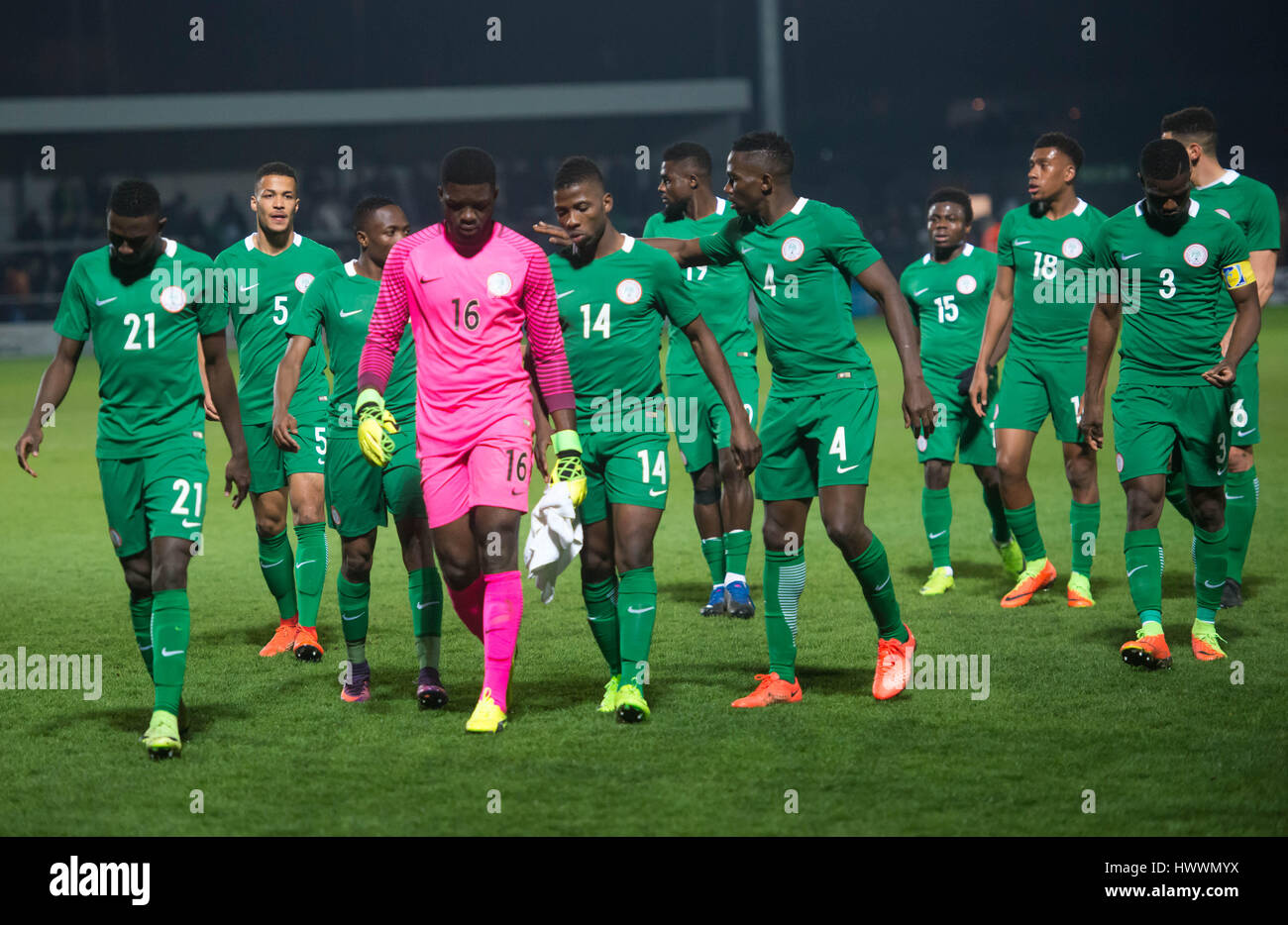 A massive 67% of Nigerians watch Football, which shows how much the sport affects Nigerian culture. Football’s journey in Nigeria began over 100 years ago, forming the country’s sporting landscape.
Football in Nigeria go back to the early 1900s. British colonisers brought the sport to the nation in 1904. The first documented football match happened that very same year, starting Nigeria’s rich footballing history.
By 1950, Football had become Nigeria’s national game. Its fast rise caused many clubs and associations forming in the early 1900s. This development enhanced Nigerian pride and helped influence political liberty movements.
Nigeria’s football legacy now reaches beyond its borders. For many years, the country has produced world-class talent, and Nigerian youth groups have won the FIFA U-17 World Cup five times.
The Super Eagles, Nigeria’s national team, are a force in African Football. They typically qualify for substantial tournaments and make their mark internationally.
The British Colonial Introduction of Football to Nigeria
Football got here in Nigeria during the British colonial age. It quickly caught the hearts of locals, marking the start of a rich footballing tradition in the nation.
The First Football Match in 1904
The first football match in Nigeria took place in June 1904. It was in between Hope Waddell Training Institution and the crew of HMS Thistle. The Nigerian team won 3-2, sparking a nationwide enthusiasm for the sport.
Hope Waddell Training Institution vs HMS Thistle
I hope the Waddell Training Institution in Calabar played a key role in early Nigerian Football. Their success over HMS Thistle’s crew showed the talent of Nigerian players. This match set the stage for Football’s development in the country.
Early Football Club Formation (1906-1932)
After the 1904 match, Football’s appeal skyrocketed. From 1906 onwards, early football clubs started forming, and this grassroots movement spread out the sport throughout Nigeria.
The Lagos District Amateur Football Association (LDAFA) was developed in 1932. The LDAFA marked the start of organised Football in Nigeria and paved the way for the sport’s future success nationally and internationally.
Who Introduced Football in Nigeria
Football arrived in Nigeria in the early 20th century. British colonisers brought this beloved sport to the West African nation. It ended up being a passion that formed Nigeria’s sporting landscape for generations.
Role of British Colonisers
British colonisers played a crucial function in Nigeria’s football history. The very first taped match took place in June 1904. Hope Waddell Training Institution dealt with the team of HMS Thistle.
The Nigerian group won 3-2. This success marked the beginning of a rich football legacy in the country.
Development of First Football Association
The Lagos District Amateur Football Association (LDAFA) was developed in 1932. It prepared for organised Football in Nigeria, which paved the way for the Nigerian Football Association (NFA).
The NFA was founded in 1945. It ended up being the national governing body for Football and oversaw its development throughout the nation.
Development of Local Football Culture
Football rapidly took root in Nigeria, becoming the national sport by 1946. Its accessibility and simple guidelines helped it spread rapidly. Regional neighborhoods welcomed the video game, forming their groups.
This grassroots interest laid the foundation for Nigeria’s future success. The country’s enthusiasm for Football grew, causing achievements on the global stage.
“Football ended up being more than just a sport; it evolved into a crucial Nigerian culture and identity component.”
The British colonisers’ intro of Football triggered a sporting transformation in Nigeria. Football’s journey mirrored the country’s development from the first match in 1904 to the formation of the NFA in 1945.
Today, Football remains an important part of Nigerian life. It’s a testament to the sport’s long-lasting appeal and cultural significance in the nation.
The Rise of Nigerian Football Administration
The Nigerian Football Association (NFA) was developed in 1945. It played a crucial function in shaping Nigerian Football. In 1949, the NFA formed Nigeria’s very first nationwide football group.
In 1959, Nigeria signed up with the Confederation of African Football (CAF), which allowed it to participate in continental competitions. Nigeria likewise ended up being a FIFA member in 1960, signing up with the international football community.
The NFA, later on renamed the Nigeria Football Federation (NFF), organised national competitions. They developed the Nigerian Premier League and the Federation Cup, which became the highlights of domestic Football.
Football associations throughout Nigeria flourished under the NFF’s assistance. They nurtured skill and promoted grassroots advancement. Expert Football began in 1990 with sixteen club sides taking part.
“Our objective is to revive football development at the nationwide level and repackage the league in line with global finest practices,” specifies the Nigeria National League.
The Premier League was carried out in 2003. This relocation aimed to enhance domestic football standards and draw in more spectators and sponsors to national competitions.
Nnamdi Azikiwe’s Impact on Nigerian Football
Nnamdi Azikiwe, born in 1904 in Zungeru, Northern Nigeria, left an enduring mark on Nigerian Football. His influence shaped the country’s sporting landscape. Azikiwe’s passion for sports came from his varied experiences and education abroad.
Facility of Zik’s Athletic Club
In 1938, Azikiwe founded Zik’s Athletic Club (ZAC) in Lagos. This club became a symbol of African self-determination. ZAC played an essential role in developing Nigerian Football.
It offered a platform for young professional athletes to showcase their skills. The club promoted local talent and fostered a sense of national pride.
The West African Pilot’s Influence
Azikiwe’s newspaper, the West African Pilot, played a substantial function in popularising Football throughout Nigeria. It extensively covered local matches, team news, and gamer profiles. This media attention assisted grow the sport’s fan base.
Football as a Tool for Independence
Azikiwe saw Football’s potential as a unifying force in the self-reliance movement. He used the sport to break down ethnic barriers, and Football became a symbol of Nigerian unity through his advocacy.
Azikiwe’s efforts connected Football to nationalism, contributing significantly to the sport’s growth and forming its function in contemporary Nigeria.
“Football is not just a video game; it’s an effective nationwide unity and identity tool.”
Nigeria’s Journey to International Football Recognition
Nigeria’s football journey took a considerable leap forward in 1960. The nation got FIFA subscription, marking its entry into worldwide Football. This milestone coincided with Nigeria’s self-reliance from British guideline.
FIFA Membership and First International Match
Nigeria’s very first worldwide match occurred on 8 October 1949. They dealt with Sierra Leone and won 2-0 in a historical encounter. This success stimulated enthusiasm for Football across the nation.
Early Continental Competitions
Nigeria debuted in the Africa Cup of Nations in 1963. The competition, hosted by Ghana, saw Nigeria facing hard opponents. These experiences proved valuable for the group’s development.
Nigeria’s perseverance paid off in 1973. They clinched gold at the All-Africa Games, marking their first major continental success. 1976, they secured bronze at the Africa Cup of Nations in Ethiopia.
Nigeria’s football prowess grew in the 1970s. In 1978, they repeated their bronze medal accomplishment in Ghana. 1980, Nigeria hosted and won its very first Africa Cup of Nations title.
Advancement of Nigerian Football Governance
Nigerian football governance has actually seen substantial changes and difficulties considering that 1945. The Nigeria Football Federation has actually shaped the nation’s football landscape, and its journey has actually been complex and transformative.
From NFA to NFF
The Nigeria Football Association began in 1945. It became the Nigeria Football Federation in 2008. This change aimed to modernise the organisation’s structure.
In 2019, an expense was passed to acknowledge the NFF formally. It’s still awaiting presidential approval.
Advancement of League Systems
The NFF manages three main leagues: the Nigerian Premier League, Amateur League, and Women’s League. These competitors form the foundation of Nigerian Football.
They cultivate skill and promote the sport nationwide. Nevertheless, challenges like postponed seasons and location disagreements persist.
National Team Formation
Nigeria’s Super Eagles national team was formed in 1949. They’ve qualified for six FIFA World Cups and won three Africa Cup of Nations titles.
These accomplishments have boosted Nigeria’s standing in international Football. The Super Eagles’ success has put Nigeria on the worldwide football map.
Nevertheless, Nigerian Football deals with continuous difficulties. A study exposed high levels of corruption in football governance. This affects agreement awards and player selection.
These issues highlight the need for reform. For the sport to grow, transparency in the Nigerian football administration need to enhance.
Conclusion
Nigerian Football’s legacy showcases the nation’s strength and enthusiasm. It started in 1904 with Hope Waddell Training Institute facing HMS Thistle. Ever since, Nigeria has become a powerhouse in African Football.
The sport’s development reflects the country’s journey from colonial rule to independence. It has fostered a sense of national identity and unity. Nigeria’s worldwide football acknowledgment is undeniable.
The Super Eagles’ gold medal at the 1996 Atlanta Olympics is a highlight. Their impressive FIFA World Cup efficiencies also stick out. Nigeria has received 6 World Cups.
In 1994, Nigeria achieved its highest FIFA ranking of 5th, strengthening its place on the international stage. Nigerian Football continues to develop with appealing potential customers.
Talents like Ahmed Musa and Kelechi Iheanacho shine in leading European leagues. This bodes well for the sport’s advancement. The Nigeria Football Federation guides the game’s development.
Football’s sustaining legacy in Nigeria inspires upcoming generations and assures an exciting future for the sport. The beautiful video game remains a source of nationwide pride and unity.
FAQ
Who presented football to Nigeria?
British colonisers brought Football to Nigeria in the early 1900s. The sport quickly became popular and woven into Nigerian culture.
When was the first football match played in Nigeria?
The first taped football match in Nigeria occurred in June 1904. Hope Waddell Training Institution played against the HMS Thistle crew. The Nigerian team won 3-2.
How did Football become Nigeria’s national sport?
Football’s easy rules and availability made it popular in Nigeria. By 1950, it was the nationwide game, inspiring pride and flexibility movements.
What role did Nnamdi Azikiwe play in Nigerian Football?
Nnamdi Azikiwe, Nigeria’s very first President, was essential in developing Football. He began Zik’s Athletic Club in Lagos in 1938, and his newspaper, the West African Pilot, linked Football to the self-reliance motion.
When did Nigeria sign up with FIFA?
Nigeria became a FIFA member in 1960, the very same year it got self-reliance. This marked Nigeria’s main entry into international football governance.
What is the Nigerian Football Federation?
The Nigerian Football Federation (NFF) governs Football in Nigeria. It developed from the Nigerian Football Association, developed in 1945. The NFF organises nationwide leagues and competitors, consisting of the Premier League and Federation Cup.
What major successes has Nigerian Football attained?
Nigeria has played in 6 FIFA World Cups. The Super Eagles national team has won three African Cup of Nations. They’ve likewise won gold in the 2nd All-Africa games.